Female water creatures such as mermaids, nixies, melusines, and undines have fascinated and unsettled the European imagination for centuries, if not millennia. Occupying a liminal space between human and non-human worlds, nature and culture, attraction and danger, they offer a privileged lens through which to explore changing conceptions of femininity, otherness, and the boundaries of the human. Presented as part of the public programme accompanying Hara’s current exhibition, The Promises of Monsters, this talk traces the emergence and development of these figures in the German-speaking world, where they achieved particular prominence from the Romantic period onward.
Beginning with Paracelsus’ sixteenth-century theory of elemental spirits, which introduced the undine as a water being inhabiting a realm between nature and humanity, the talk follows the subsequent literary career of female water creatures in German literature and culture. Special attention will be paid to Friedrich de la Motte Fouqué’s celebrated fairy tale Undine (1811), one of the most influential reworkings of the motif, as well as to later literary, musical, and cultural adaptations.
By examining the many forms assumed by these aquatic figures, the talk will show how female water creatures have functioned variously as embodiments of desire and fear, fantasies of femininity, symbols of love and death, and reflections on the relationship between human beings and the natural world. Ultimately, their remarkable longevity reveals not only the enduring power of myth but also the persistent fascination exerted by beings that challenge the limits of established categories and invite us to imagine forms of existence beyond the familiar boundaries of the human.
The event is free to attend. The talk will be held in English. To register, please email [email protected]. Admission to Hara is free for visitors with a confirmed registration.
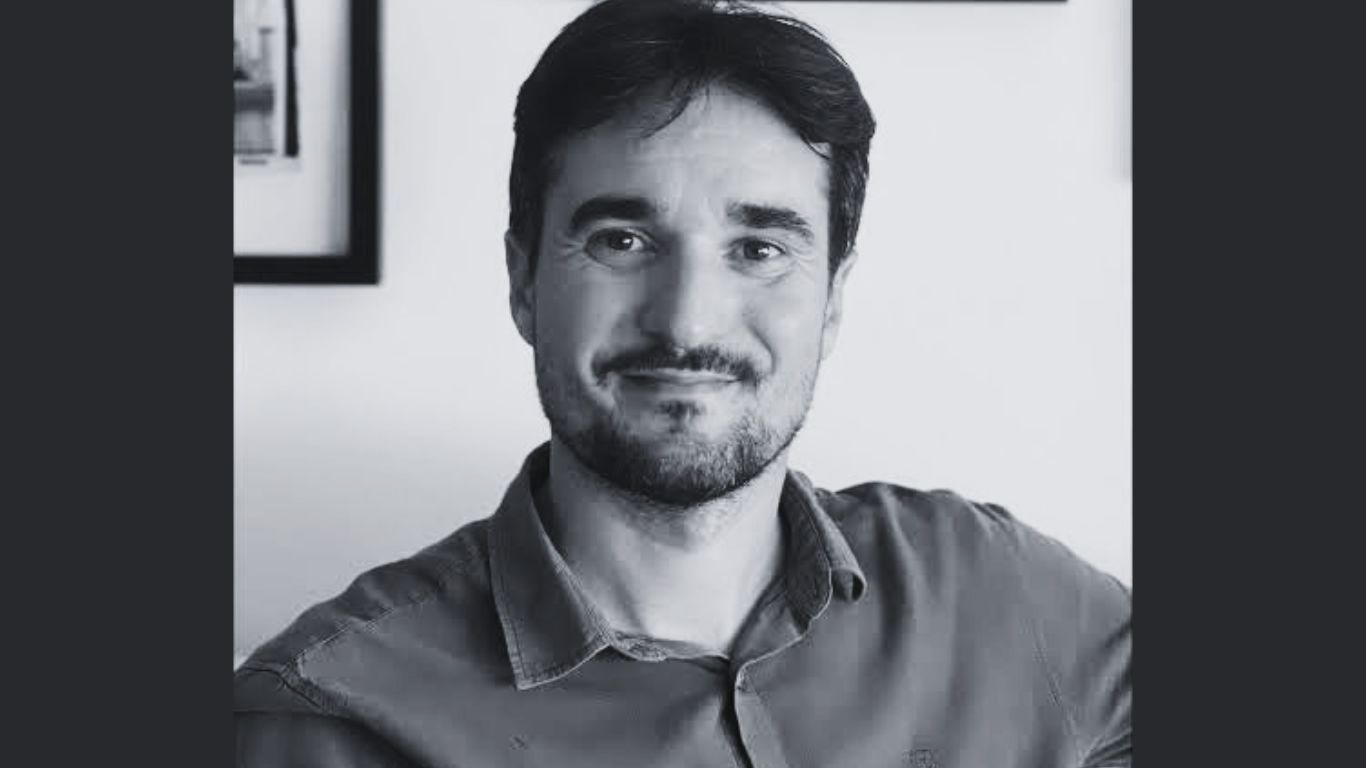
Benoît Ellerbach is Assistant Professor of Comparative Literature at Koç University. A specialist in modern and contemporary German literature, his research focuses on transnational authorship, cultural transfers, and representations of otherness in (post-)orientalist and postcolonial contexts. He is the author of a monograph on the German-Syrian writer Rafik Schami and has published extensively on German literature, migration, borders, and cultural encounters. More recently, his work has centred on the Turkish-German author Emine Sevgi Özdamar, including the co-edited volume “Ensemble” – Emine Sevgi Özdamar: Neue Lektüren eines vielstimmigen Werkes (2026). He has taught at universities in France, Germany, and Turkey, offering courses in German literature, theatre, translation, linguistics, and cultural studies. He holds a PhD in German Literature from Sorbonne University.